
Creating a Dementia-Friendly Restaurant
Many caregivers hesitate to bring their loved ones with memory loss to restaurants because they worry about confusion, noise, or feeling unwelcome. But small acts of understanding can make a big difference.
A dementia-friendly restaurant is not about perfection — it’s about patience, kindness, and awareness. Simple actions can help families feel more comfortable dining out together.
Staff can support caregivers and their loved ones by:
• Greeting guests warmly and speaking calmly and clearly.
• Being patient if someone needs extra time to order or respond.
• Offering simple menu choices or gentle suggestions.
• Reducing distractions when possible, such as loud music or bright flashing lights.
• Checking in with the caregiver quietly if assistance is needed.
• Treating every guest with dignity, respect, and kindness.
For caregivers, a meal out is more than just food, it is a moment of connection, dignity, and normalcy. By creating a memory-friendly environment, restaurants help caregivers and their loved ones feel welcomed, supported, and included in the community.
Why It Matters
Simple ways to support caregivers and their loved ones
Families living with dementia or memory loss often avoid dining out because they worry about confusion, noise, or feeling judged. Restaurants can make a meaningful difference by creating a welcoming, patient, and understanding environment. Small actions can help caregivers and their loved ones feel comfortable and respected. For caregivers, going out to eat is more than a meal. It is a moment of connection, dignity, and normalcy. A supportive restaurant environment helps families stay engaged in their community.
Simple Ways Staff Can Help
1. Offer a Warm Welcome
Greet guests with kindness and patience. A calm and friendly first interaction sets a positive tone.
2. Speak Clearly and Calmly
Use simple language, maintain eye contact, and speak at a relaxed pace.
3. Be Patient
Some guests may need extra time to read the menu, respond, or make decisions.
4. Provide Simple Menu Options
Large menus can be overwhelming. Offering a few suggestions or highlighting popular items can help.
5. Reduce Distractions When Possible
Lower loud music if you can, and seat families in quieter areas when available.
6. Respect the Caregiver’s Lead
Caregivers often know the best way to support their loved one. If unsure, quietly ask the caregiver how you can help.
7. Respond with Understanding
If a guest becomes confused or repeats questions, respond calmly and respectfully.
What Makes the Biggest Difference
Kindness, patience, and dignity. A supportive attitude from staff can transform a stressful outing into a meaningful and enjoyable experience for families.
Together We Can Build Dementia-Friendly Communities
By making small adjustments, restaurants can help caregivers and their loved ones feel welcomed, included, and valued.
Thank you for helping create spaces where every family can belong.
Using the “Companion Support Card”
A resource created by Lighthouse for Care
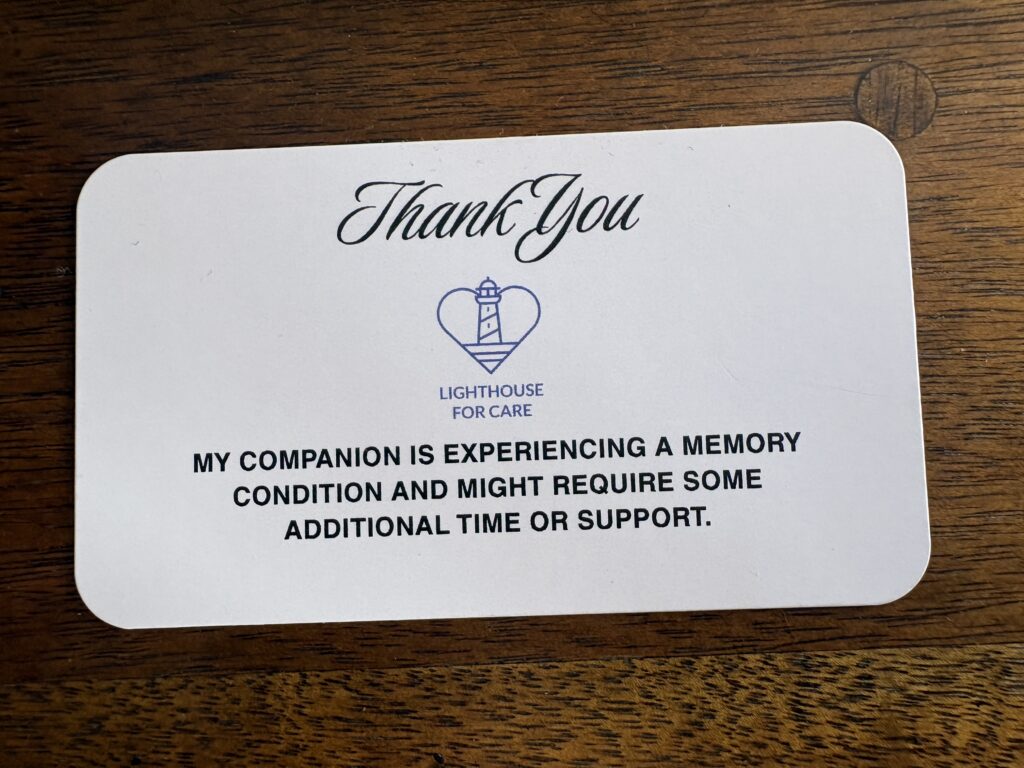
The Companion Support Card is designed to help caregivers communicate quietly and respectfully in public places when their loved one may need additional time or understanding. A small wallet card caregivers can show in public.
The card reads:
“My companion is experiencing a memory condition and might require some additional time or support.”
This message helps others understand the situation without requiring caregivers to explain personal or medical details.
When You Might Use the Card
You may choose to show the card in situations such as:
• Ordering at a restaurant
• Checking in at a service desk
• Waiting in line at a store
• Entering a busy event or public space
• When your loved one may need extra time to respond or make decisions
How to Use the Card
- Show the card discreetly to a staff member or service provider.
- Allow them a moment to read it.
- If helpful, you may add a simple sentence such as:
“Thank you for your patience. We may just need a little extra time.”
Helpful Tips for Caregivers
• Show the card early if you anticipate a challenging moment.
• Keep the card somewhere easy to access (wallet, purse, or phone case).
• Use it in a way that feels comfortable for you and your loved one.
Why This Card Matters
Many caregivers hesitate to go out in public because they worry about misunderstandings or feeling rushed. This simple card can help create awareness, patience, and kindness in everyday interactions. Small moments of understanding can make a big difference.
Created by Lighthouse for Care to support caregivers and build dementia-friendly communities.|
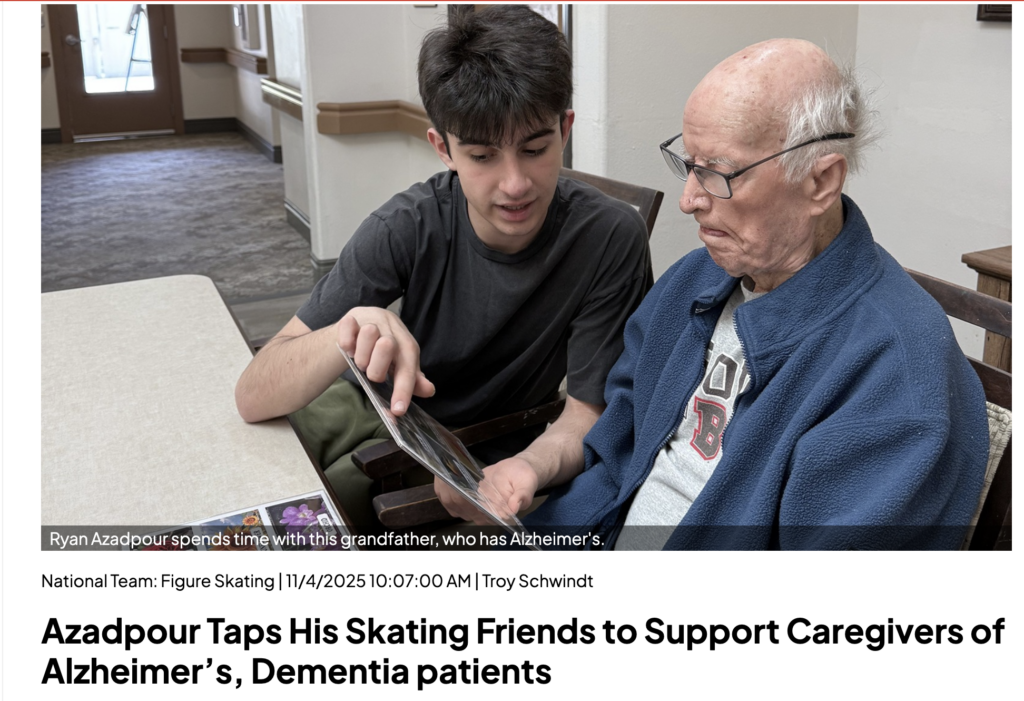
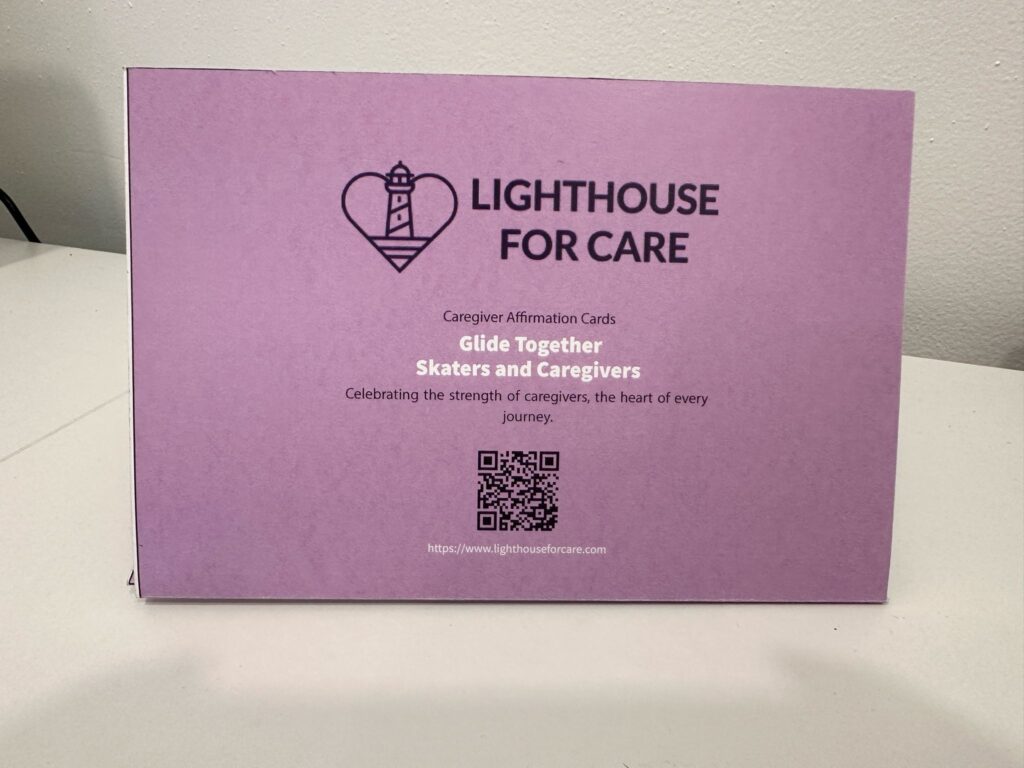
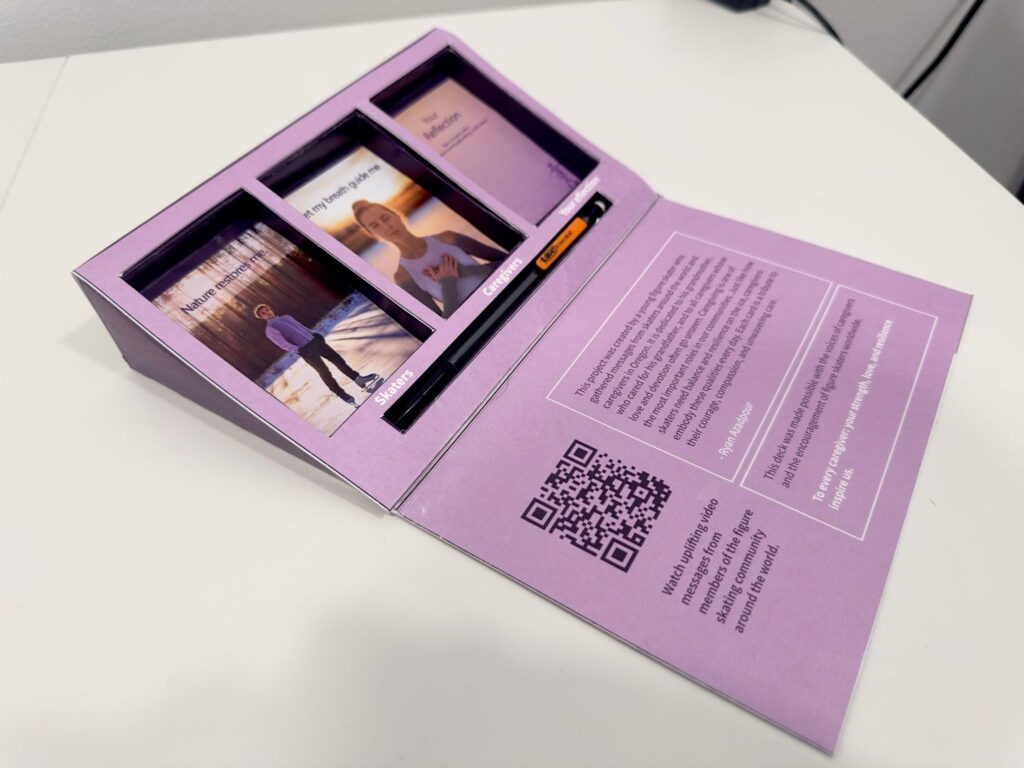
Glide Together: Skaters & Caregivers, Celebrating the strength of caregivers, the heart of every journey. To every caregiver: your strength, love, and resilience inspire us. We will be distributing boxes to organizations like HOPE Dementia and other support groups!
U.S. Figure Skating Article on the Glide Together Project: https://www.usfigureskating.org/news/article/azadpour-taps-his-skating-friends-support-caregivers-those-alzheimers-dementia
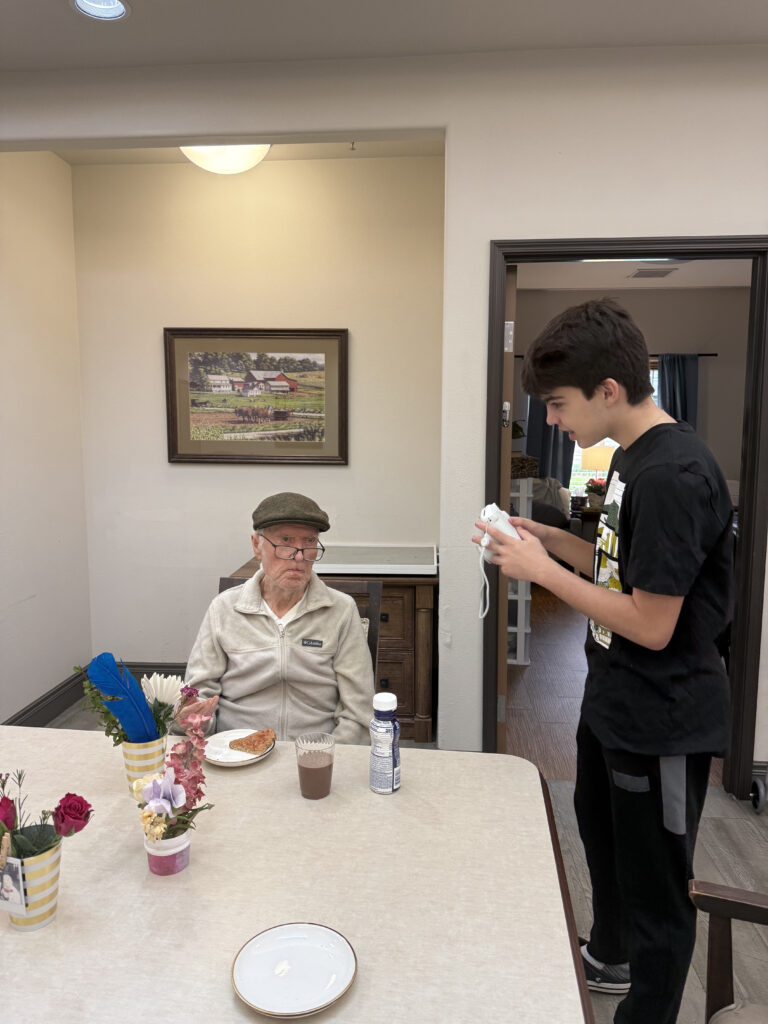
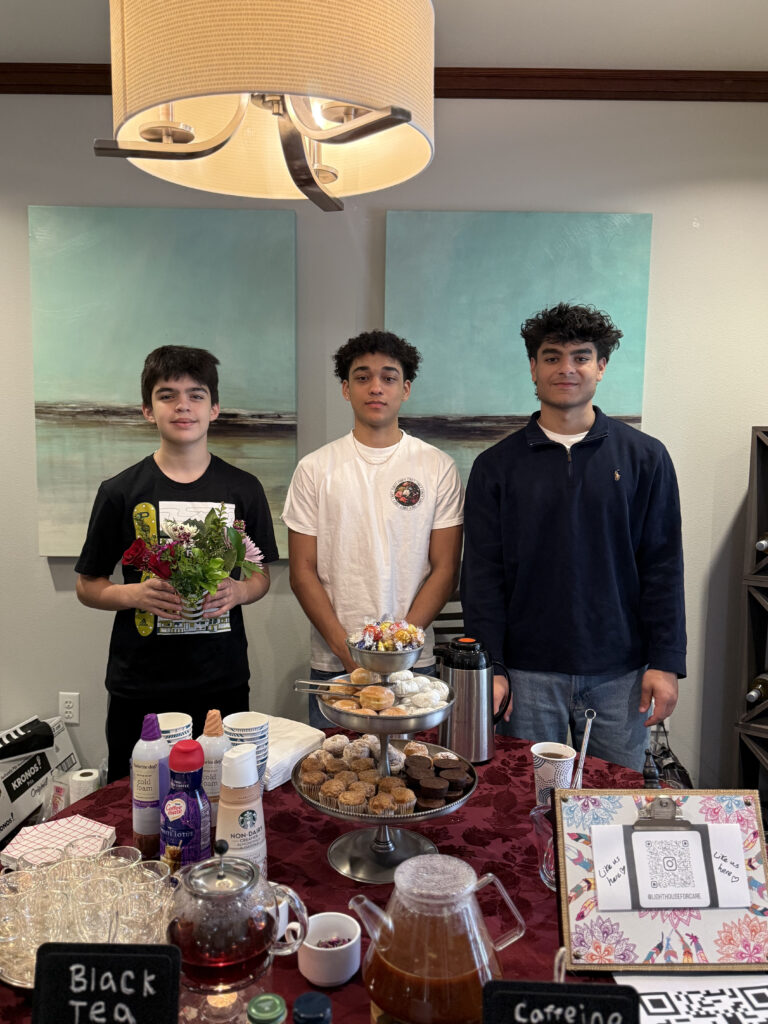
2025 Mother’s Day: Visiting Washington Garden Memory Care to deliver Mother’s day cards, flowers, snacks, and tea.